

Table of Contents
- AI Integration in Marketing Campaigns
- Personalization Through Data Analytics
- Leveraging Short-Form Video Content
- Optimizing for Voice and Visual Search
- Embracing Social Commerce
- Prioritizing Data Privacy and First-Party Data
- Utilizing Programmatic and Automated Advertising
- Strategic Outsourcing for Scalability
- Conclusion
In today’s rapidly changing digital world, marketing agencies must adapt and innovate quickly to remain competitive and consistently deliver top-notch results for their clients. Leveraging the right approaches can help agencies not only navigate change but also seize new growth opportunities. Working with a trusted digital marketing agency can streamline the application of leading-edge tactics and set brands up for long-term success.
As consumer behaviors, technology, and privacy standards continue to evolve, staying current with the most impactful strategies is essential. Agencies that embrace data-driven decisions, creative content, and robust technology frameworks are better positioned to drive engagement, loyalty, and ROI. Understanding which trends to prioritize will make the difference in helping clients stand out from the competition.
From harnessing artificial intelligence to creating personalized experiences, every aspect of digital marketing is experiencing transformation. With tech platforms like TikTok, Instagram, and emerging search modalities reshaping how audiences engage with brands, agencies must continually update their playbooks to sustain performance.
For agencies in competitive urban markets, smart implementation is key. Those seeking a reputable partner for regional expertise should consider top-rated services for SEO Phoenix to get ahead in local search while still scaling nationally.
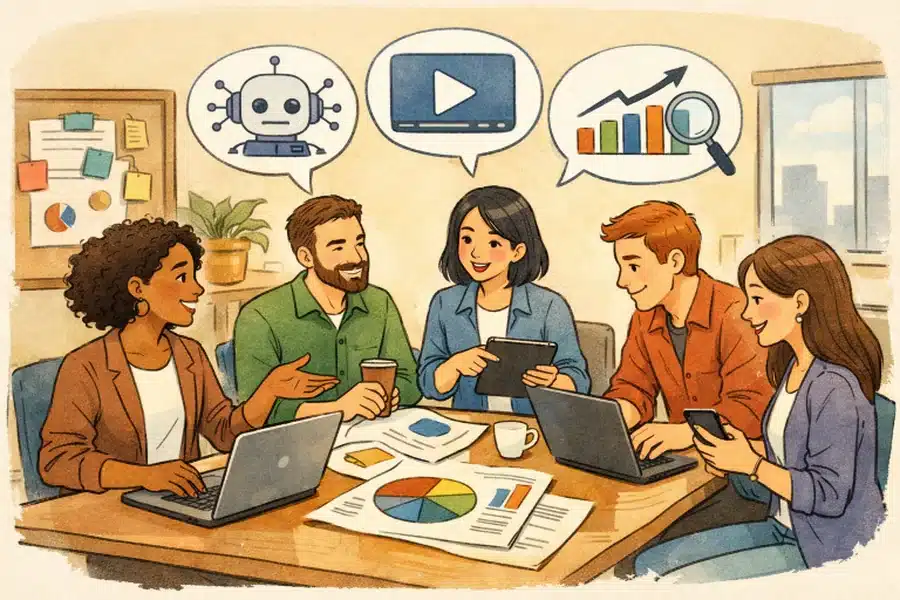
An AI powerpoint generator helps agencies present innovative marketing strategies and future trends in a compelling visual format.
AI Integration in Marketing Campaigns
The advent of artificial intelligence has fundamentally changed how marketing agencies strategize, execute, and optimize campaigns. AI-powered tools enable agencies to efficiently analyze complex data sets, gain actionable audience insights, and create dynamic, relevant messaging. With applications ranging from chatbots to predictive analytics, AI helps marketers anticipate consumer needs, automate customer service, and allocate resources for maximum impact. According to Forbes, AI-enabled marketing already has a track record of increasing conversion rates and personalizing brand interactions at scale.
Personalization Through Data Analytics
Today’s customers expect brands to understand their unique preferences and address them directly. Agencies are leveraging sophisticated analytics platforms to segment audiences, track behaviors, and deliver personalized experiences based on real data. By embracing data-driven personalization, agencies can refine content strategy, optimize offer timing, and tailor user journeys for higher engagement and improved ROI. This approach drives up loyalty and builds richer, more meaningful customer relationships.
Leveraging Short-Form Video Content
Short-form video continues to dominate digital engagement, with platforms like TikTok, Instagram Reels, and YouTube Shorts leading the way. Agencies are producing visually compelling, concise videos designed to capture consumer attention in just a few seconds. This content not only increases reach and shares but often benefits from platform algorithms that prioritize engaging video over static posts. Incorporating humor, authenticity, and trending formats helps brands humanize their stories and connect with younger audiences, making short-form video a staple in any comprehensive marketing plan. According to CNBC, short-form video now accounts for a significant share of total digital content consumption.
Optimizing for Voice and Visual Search
The growth of voice assistants like Siri, Alexa, and Google Assistant, as well as visual search technologies, has changed the way people find and interact with content online. Agencies are now optimizing client websites and content for natural language queries and image-based searches to ensure visibility and relevance. This requires a deep understanding of long-tail keywords, structured data, and image optimization. Forward-thinking digital teams adapt content to match user expectations in a world where searches are increasingly conversational and visually led.
Embracing Social Commerce
Social media channels are now full-service sales platforms where consumers can discover products, research reviews, and complete purchases without ever leaving the app. Agencies that integrate e-commerce capabilities into social media campaigns make it easy for customers to buy in the moment. Features like shoppable posts, live-streamed product demos, and influencer partnerships fuel impulse purchases and foster community around brands. Effective social commerce strategies not only improve sales but also drive stronger customer engagement and loyalty.
Prioritizing Data Privacy and First-Party Data
With regulations such as GDPR and CCPA and growing consumer concern over data security, marketing agencies must prioritize privacy and transparency. Agencies are shifting toward collecting and leveraging first-party data while ensuring compliance and respecting user consent at every step. Transparent communication about data usage and strict adherence to privacy standards not only meet legal requirements but also strengthen consumer trust, thereby enhancing brand reputation.
Utilizing Programmatic and Automated Advertising
Programmatic advertising uses AI and real-time bidding to automate the buying and placement of digital ads. This enables targeting the right audience at the right time with remarkable precision and efficiency. Automated campaigns enable dynamic optimization, more effective ad spend allocation, and smarter audience segmentation. Marketing agencies that invest in programmatic capabilities can quickly adapt to market trends and deliver better campaign results for their clients.
Strategic Outsourcing for Scalability
Strategic outsourcing allows agencies to access specialized talent and scale operations while maintaining quality, enabling them to focus on creative strategy and business development. This collaboration facilitates the expansion of service offerings and assures consistent value amid fluctuating workloads. Agencies that innovate and adapt to digital realities emphasize meaningful engagement, responsible data practices, and agile execution, crucial for long-term success in a competitive digital marketing landscape.
Conclusion
In conclusion, digital marketing is evolving due to technology, data, and changing consumer expectations. Innovations like AI-driven optimization, personalized experiences, short-form video, voice search, and social commerce are transforming brand-audience connections. Success requires balancing automation with transparency, user privacy, and trust. Strategies like programmatic advertising and outsourcing enhance scalability and adaptability. Agencies that are agile, data-informed, and customer-focused will effectively deliver impactful campaigns and achieve sustainable growth in a competitive digital landscape.
