

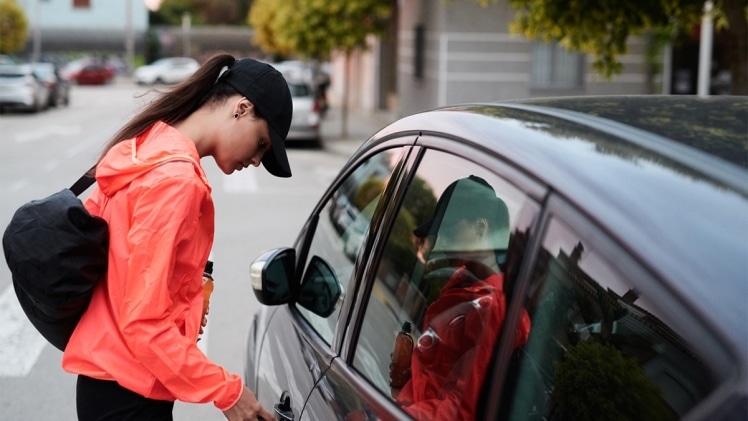
If your friend has allowed you to drive their car, then you’ll need to handle the vehicle in question with the appropriate care and respect. Specifically, there are several ‘do’s and ‘don’t’s that are worth considering in turn. Let’s run through them.
Do: Check Insurance Coverage
If you want to drive on public roads in the UK, then you’ll need to be insured. In most cases, your insurance will cover you to drive other vehicles in the case of an emergency. If your insurance doesn’t extend to your friend’s car, then you’ll be effectively driving without cover. This is a serious offence.
If you want peace of mind, there’s an easy way of getting around this. Temporary car insurance, as the name might suggest, is designed to be used for just a short time. It’ll allow you to drive a friend’s car, without having to sign up for the long term.
Don’t: Assume You’re Automatically Covered
Failure to abide by the rules here could see you handed a fixed penalty of £300, and six penalty points. If the case is taken to court, there is no cap on the fine you could be given.
Motor insurance comes in many types, and some of them might not cover you for the damage you’ve inflicted on the car. Third-party insurance, for example, will only pay out for damage to other people and properties; if you want your friend’s car to be covered, you need to look at comprehensive insurance.
Do: Respect the Owner’s Rules and the Car
Since you’re borrowing a friend’s property, it’s important that you treat it with care and respect. Ideally, you’ll return the car in the same condition in which you borrowed it – and you might even go a little further and treat it to a valet cleaning service, to show your appreciation. At the very least, you should fill the tank before you return the car.
If you do end up damaging the car, even if it’s just a tiny scratch or a nick, then it’s a good idea to be honest about it. Most motorists would rather know the truth than have to find out about it later.
In some cases, you might have received specific instructions from the car’s owner. Abide by those instructions. If you’ve been forbidden from pushing it past 3,000 revs, then don’t do it!
Don’t: Forget to Document the Car’s Condition
If you’re worried about running into a dispute over the condition of the car, then you might take a few photos at the very start. If you can see any visible defects, then take a photograph of them. Then, when you tell the car’s owner about the damage, you’ll be able to demonstrate that you were not responsible for it!
