

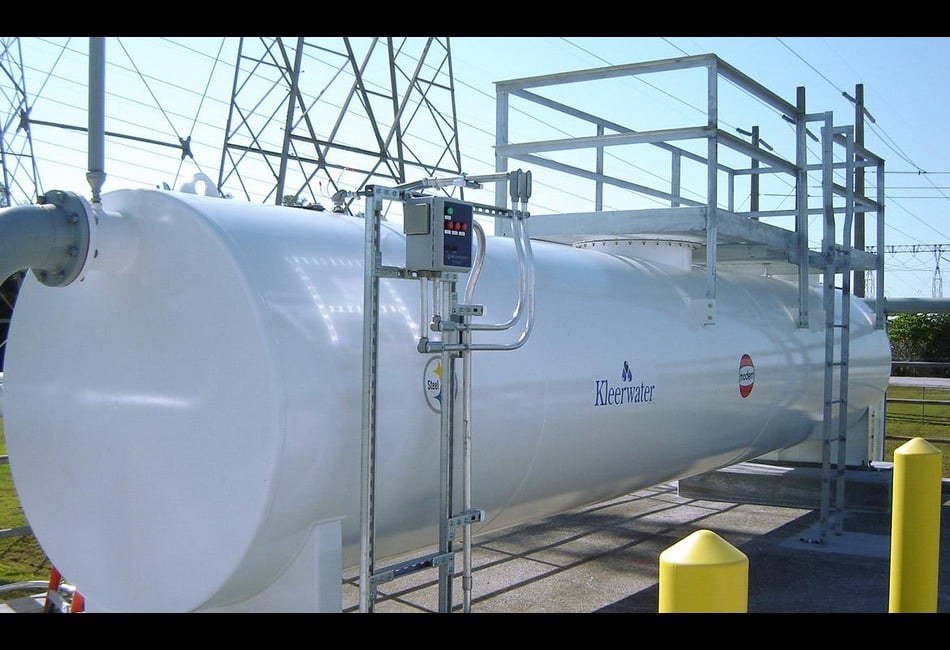
Industries that require oil and water to be separated before the water may be released appropriately or recycled depend on oil-water separators. These separators are vital for preserving environments by stopping oil pollution in drainage systems and aquatic bodies. They extract oil from water, preventing the entry of dangerous toxins into natural streams or sewer systems.
When deciding which oil water separator to require, you should know the three primary types – above-grade, flush-grade, and below-grade separators. Each has benefits, and knowing their variances will help you decide.
Above Grade Oil Water Separators
For above-ground level or on the surface, an above-grade oil-water separator is set up. These separators use either specialist coalescing medium or gravity separation to separate oil from water. While the cleaned water is released or further treated, the oil floats to the surface, where it may be skimmed off. These systems are readily available since they sit above ground and usually consist of visible components that can be easily watched and maintained.
Above-ground oil water separators have certain significant advantages. The easiest maintenance is the most important benefit. As all of the components are above ground, you can quickly inspect, repair, and clean the system without having to dig or destroy any portion. Their reduced maintenance costs over time also reflect this simplicity of access.
Furthermore, installation is relatively easy compared to other kinds of separators, as they do not require major groundwork or excavation. In the setup stage, this can save money and time. Another advantage is the adaptability in location. These systems may be installed anywhere space allows, so they are perfect for circumstances when ground penetration is not possible or allowed because of local rules.
Oil water separator technology is often used in applications where space is available for an above-ground installation and where regular maintenance is required. These include sites like garages, machine shops, vehicle washes, and fueling stations, where regular maintenance and inspections guarantee environmental compliance.
Flush Oil Water Separators
A flush oil water separator is designed to lay ground level and with the top of the unit flush with the surrounding surface. Unlike above-grade systems, these separators are partially buried; only the access points or lids show above ground. Often included in already-existing infrastructure, such as parking lots or drainage systems, they require a low-profile installation.
Though their main advantage is their smooth blending into the surrounding environment without hindering foot or vehicle traffic, flush oil water separators use identical separation processes as above grade units, including gravity separation or coalescing medium.
The main advantage of flush oil water separators is their space-saving concept. They minimize additional surface area by being level with the ground, permitting more effective use of space in industrial yards or parking lots. Therefore, they are perfect in high-traffic areas where equipment or systems projecting from the ground would be a hazard.
The flexibility to include these systems in the current infrastructure adds another benefit. For instance, they are discreet and functional when placed next to loading docks or stormwater drains. Their low profile also makes them aesthetically appealing compared to above-grade systems, particularly in settings like shopping centers or business parks where facility appearance counts.
Flush separators are typical applications and ideal use cases. They are usually employed in situations where space is limited or where an above-grade system would be unacceptable or ugly. These cover parking lots, airports, loading docks, and commercial buildings. The flush design of the system enables flawless traffic movement in these surroundings, free from any possible hazards from exposed equipment or impediments. In metropolitan environments where both functional space use and aesthetic appeal are equally crucial, they also help greatly.
Below Grade Oil Water Separators
A below-grade oil-water separator is installed totally underground. The major separator components are buried below ground; only access points – maintenance holes or access covers – are visible above level. It’s designed to be highly robust and provide long-term use with minimum effect on the surface area above it. These systems are strengthened to take heavy loads from above, including vehicles or equipment.
Though their main advantage is their ability to be hidden away, leaving the surface area above clear for other usage, below-grade systems employ comparable separation procedures as the different varieties.
Among the main advantages of below-grade separators is their discreet location. They are buried underground, so they do not affect surface activity. This makes them ideal for situations with significant vehicle traffic, such as freeways or building sites, where above-ground equipment would be problematic.
Still, another significant benefit is their longevity. Systems designed below grade are meant to resist intense loads and demanding surroundings. This qualifies them for industrial settings where large vehicles or equipment continuously move across the installation area. Furthermore, hidden underground, they are shielded from possible damage from vandalism or weather.
Areas with significant traffic or environmental conditions often make use of grade separators below grade level. These comprise industrial plants, roads, warehouses, and building sites where unobtrusiveness and durability are most important. They are also perfect in environments where space above ground has to be utilized for other uses, such as retail projects or commercial zones, where keeping a neat, clutter-free surface is vital.
Comparative Analysis
Because of their accessibility, above-grade separators are the easiest to maintain. Without specific tools, routine maintenance, including inspections and cleaning, may be completed quickly. Although still readily available, flush separators may require more work since they sit level with the ground, thereby making some jobs somewhat more difficult, particularly in crowded places. Since they are buried, below-grade separators are the toughest to maintain. Usually involving access to the system through underground hatches, maintenance can be expensive and time-consuming.
Since they don’t call for excavation or specialized tools, above-grade separators are the simplest and least expensive to install. Since they must be incorporated with the surrounding surface, flush separators are more complicated and add to installation time and cost. Since excavation, reinforcing, and usually heavy-duty equipment are required to guarantee the system can sustain surface loads, below-grade separators demand the most significant labor to install.
Though the design and application affect the performance, all three kinds of separators can effectively remove oil from water. While flush systems provide a compromise between performance and space economy, above-grade systems are usually easier to modify and build upon. Though more costly to construct and operate, below-grade systems are perfect for heavy-duty uses since they have long-term durability and can resist severe circumstances.
Conclusion
Your particular requirements and the features of your site will determine the correct oil-water separator for you. If inexpensive installation costs and simple maintenance are top concerns, an above-grade separation could be the ideal choice.
A flush oil water separator is best if you want a solution that fits perfectly into a crowded, space-limited setting. A below-grade separator is the finest long-term solution for areas needing durability and severe load handling. Knowing the advantages and drawbacks of every kind will assist you in deciding which one is best for your use.
