

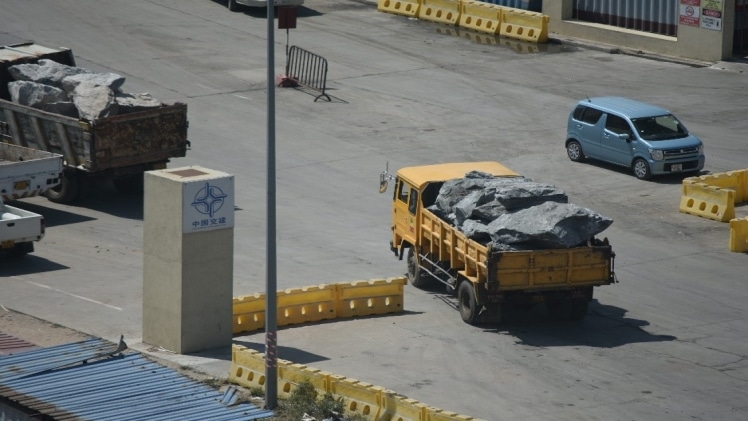
Managing a fleet and handling logistics requires meticulous planning, adherence to regulations, and operational efficiency. With the right strategies in place, businesses can maintain their fleet effectively while optimizing logistics to save time, money, and resources. Here are some best practices to consider when managing fleet operations and logistics.
Hire a Professional Service for Vehicle Inspections
Regular inspections and maintenance of trucks and other commercial vehicles are crucial for safe and efficient fleet management. Over time, wear and tear, mechanical issues, and safety hazards can affect the performance of your vehicles. To avoid unexpected breakdowns and potential accidents, hiring a professional service to perform comprehensive checks on your fleet is essential. These services usually offer a complete evaluation, examining the engine, brakes, tires, electrical systems, and safety features of your trucks.
A trusted service will provide expert insights on vehicle health and preventative measures, ensuring that the fleet is always in top shape. Such professional checks allow you to catch problems early before they escalate into costly repairs or impact the safety of your drivers and cargo. Ultimately, regular inspections contribute to the longevity and reliability of your vehicles. So, it’s wise to invest in a reliable partner to routinely check out your truck and guarantee seamless logistics.
Prioritize Preventative Maintenance for Your Fleet
Preventative maintenance plays a crucial role in fleet management, focusing on avoiding issues before they occur rather than repairing them after a problem arises. This involves consistent monitoring of key components like brakes, fluids, tires, and electrical systems. Scheduling maintenance tasks, such as oil changes, tire rotations, and brake checks, can prevent small issues from becoming significant problems down the road. A strong maintenance schedule allows for better performance of the vehicles and can also lead to lower costs in the long run, as routine checks are typically less expensive than emergency repairs.
To streamline this process, fleet managers can implement a maintenance tracking system to document and schedule regular service appointments. This way, nothing is left to chance, and the vehicles stay in optimal working condition. Additionally, make sure drivers are trained to spot and report early signs of issues, such as unusual noises or warning lights, to address potential problems before they become significant concerns.
Implement Efficient Routing and Scheduling
One of the main challenges in logistics is optimizing routes and schedules to save time, fuel, and labor costs. Efficient routing improves delivery times and also reduces fuel consumption and overall operational costs. The key is to analyze the best routes for each vehicle, considering factors like traffic conditions, weather, delivery windows, and proximity to other deliveries. By doing so, fleets can minimize empty miles, where trucks travel without cargo, and maximize efficiency.
Scheduling plays an equally important role in ensuring that drivers can complete their deliveries on time and avoid periods of high traffic or congestion. By using technology and data analytics, fleet managers can predict the most efficient routes and times to send out their vehicles. Real-time tracking and communication with drivers are also beneficial to make last-minute adjustments as necessary, allowing for improved flexibility and adaptability.
Invest in Driver Training and Safety Programs
Drivers are the backbone of any fleet, and their performance significantly impacts operational efficiency, safety, and the overall success of the fleet management process. Investing in comprehensive driver training programs is essential for fleet operators. These programs can cover various topics, including defensive driving techniques, handling hazardous materials, emergency protocols, and vehicle operation and maintenance tips.
Driver safety programs can also help reduce the likelihood of accidents, improve fuel efficiency through better driving habits, and prolong the lifespan of vehicles by promoting safe and conscientious driving. Encouraging drivers to develop good habits, such as following speed limits, reducing unnecessary idling, and maintaining safe distances between vehicles, can positively impact the performance and safety of the entire fleet.
Utilize Fleet Management Technology for Better Insights
Modern technology has transformed fleet management by offering real-time insights and data analytics that improve decision-making. Fleet management systems can track a variety of data points, such as vehicle locations, driver behavior, fuel consumption, and maintenance schedules. With these tools, fleet managers can make informed decisions quickly and efficiently, reducing operational costs, increasing delivery speed, and improving customer satisfaction.
Telematics devices, which combine GPS tracking and onboard diagnostics, allow for real-time vehicle monitoring and provide comprehensive data on performance, route progress, and potential issues. This transparency helps adjust routes dynamically, predict maintenance needs, and manage driver workloads effectively.
Maintain Compliance with Regulations and Policies
Compliance is a vital aspect of fleet management, as vehicles and drivers are required to meet specific regulations and standards, including safety, emissions, and operational guidelines. These rules can vary depending on the region and the type of cargo transported, so fleet managers must remain up to date on all relevant regulations.
For instance, safety regulations might include driver rest periods, weight limits for cargo, and requirements for safety equipment. Emissions standards can vary based on the type of vehicle and local laws. A failure to comply with regulations can result in fines, legal issues, and disruptions in operations, ultimately impacting the business’s reputation and financial stability.
Plan for Unexpected Events and Contingencies
Unexpected events, such as breakdowns, accidents, or severe weather conditions, can impact fleet operations and logistics. Having a contingency plan in place can help navigate such challenges smoothly. For example, keeping a backup fleet or rental service can provide temporary solutions for vehicle breakdowns. Regular driver communication and real-time tracking help manage delays and provide accurate delivery information to clients.
Logistics operations can also benefit from insurance policies that cover a range of potential issues, including damage to vehicles, theft, or loss of goods. Creating a risk management strategy that includes driver training for emergencies, proper insurance coverage, and backup plans will help minimize disruptions to your logistics process and guarantee a seamless operation.
