

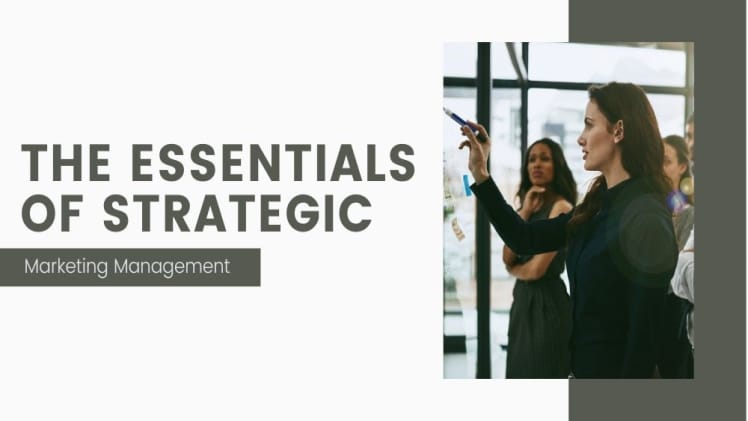
Are you looking to propel your business forward? Strategic marketing management is what you need. This comprehensive approach builds and sustains competitive advantage by identifying, assessing, and prioritizing marketing opportunities and challenges. It also involves formulating, implementing, and continuously evaluating marketing strategies to achieve long-term organizational objectives.
Strategic Planning :
Strategic planning involves setting measurable goals based on market analysis and creating strategies to achieve them. This phase demands a profound comprehension of the target audience, guaranteeing that the strategy implemented resonates with consumer demands and preferences. Implementing OKR (Objectives and Key Results) helps ensure these strategies are aligned with the organization’s objectives, making it easier to measure progress and achieve desired outcomes.
Moreover, strategic marketing management is significant because it can align marketing activities with an organization’s overall goals and strategic direction. So, pour yourself a cup of coffee, and let’s dive into strategic marketing management.
Components of Strategic Marketing Management
Strategic marketing management involves comprehensively understanding markets, planning and executing strategies, and assessing outcomes to meet business goals.
Here are the pivotal components to consider:
- Market Analysis: This involves conducting thorough research to identify emerging trends within the industry and understanding consumer behavior through surveys, focus groups, and data analytics. Techniques such as (Strengths, Weaknesses, Opportunities, and Threats) analysis help businesses assess their position in the market relative to competitors. This phase is crucial for recognizing market opportunities and potential challenges impacting future growth.
- Strategic Planning: Futhermore, strategic planning involves setting measurable goals based on market analysis and creating strategies to achieve them. This phase demands a profound comprehension of the target audience, guaranteeing that the strategy implemented resonates with consumer demands and preferences.
Aspects of strategic planning include the following:
- Setting Clear Objectives
- Developing Strategies
- Understanding the Target Market
- Alignment with Consumer Expectations
- Implementation: Executing marketing strategies requires a unified approach across diverse channels such as:
- digital marketing
- traditional advertising
- public relations;
- and sales promotions
Moreover, this phase necessitates adaptability to swiftly respond to any shifts in market dynamics or consumer feedback. Key considerations for effective implementation include:
- Coordinated Effort Across Channels – Utilize a mix of digital and traditional marketing, PR, and sales promotions.
- Precise Timing – Schedule campaigns to align with consumer behavior and market trends.
- Budget Management – Efficiently allocate resources to maximize impact.
- Seamless Integration of Messages – Maintain a unified marketing message across all platforms.
- Flexibility and Adaptability – Be prepared to adjust strategies in response to market changes or consumer feedback.
- Monitoring and Evaluation: On the other hand, continuous monitoring and evaluation are vital for tracking the effectiveness of marketing strategies against set goals. Businesses can adjust their approaches to stay effective and responsive to market and consumer dynamics using KPIs like sales, market share, and customer engagement.
Vital elements of monitoring and evaluation include:
- Regularly check marketing activities against the set objectives.
- Evaluating critical metrics such as sales volume, market share, and customer engagement.
- Adjusting marketing strategies based on performance evaluations to optimize results.
The Role of Digital Technology
Moreover, using digital technology in marketing strategies is essential in the modern era to effectively reach and engage a large audience. Search engine optimization (SEO), email marketing, and social media platform efforts are critical for spreading your message and outperforming bed bugs and competitors.
The following aspects of using digital technology in marketing include:
- Essential for Modern Marketing
- Utilize SEO
- Leverage Social Media
- Implement Email Marketing
- Competitive Advantage
Challenges and Solutions
Lastly, in strategic marketing management, several common obstacles can impede progress, yet with strategic approaches, these challenges can be effectively overcome.
The key to overcoming them includes the following:
- Invest in ongoing market research and develop flexible marketing plans for quick adaptation.
- Gain a deep understanding of target audiences and continuously implement feedback mechanisms to refine marketing efforts.
- Employ creative solutions and leverage digital marketing platforms for cost-effective audience engagement.
Bringing It All Home
In conclusion, strategic marketing management is your best ally in the battle for a bug-free home. It’s not just about flashy campaigns or trendy buzzwords; it’s a meticulous, well-thought-out process that ensures your brand thrives in a competitive marketplace. Like our proven bed bug solutions, strategic marketing management requires patience, persistence, and a dash of humor to keep things in perspective.
So, gear up, plan, and watch as your home (and brand) keeps unwanted guests clear. Remember, in the world of marketing and bed bugs, it’s survival of the fittest. And with these strategies in your arsenal, you’re already winning.
